
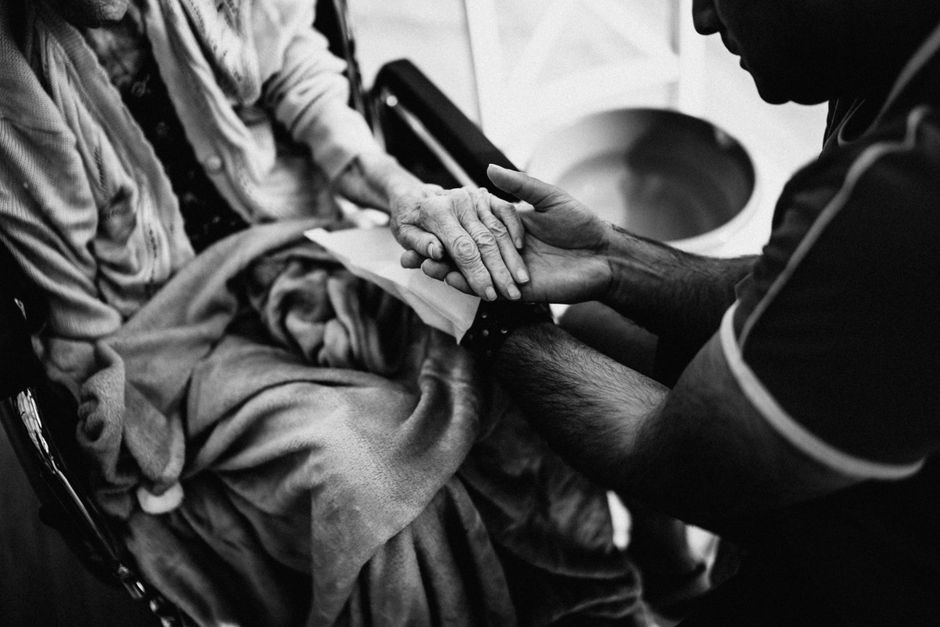
It’s the first question almost every family asks us: “Would my mom (or dad, or grandparent) even qualify?” The good news is that Michigan’s Home Help Program is designed for exactly the kind of everyday help families are already giving. Here’s how eligibility actually works.
The two basic requirements
Home Help eligibility comes down to two things about the person receiving care:
- They’re on Medicaid. The person must be enrolled in Michigan Medicaid, or be eligible to enroll. Home Help is a Medicaid benefit, so this is the foundation.
- They need help with daily activities. There must be a genuine, documented need for assistance with everyday tasks — things like bathing, dressing, toileting, eating, moving around the home, or preparing meals.
Importantly, Home Help is not just for seniors. Any Medicaid-eligible person who needs this kind of help — including younger adults with disabilities — may qualify.
What “medical necessity” really means here
You’ll hear the phrase “medical necessity,” and it can sound intimidating. In the context of Home Help, it simply means there’s a real need for hands-on help with daily living — not that your loved one needs a nurse or medical treatment. A doctor’s statement (often a Medical Needs form) helps document that need.
How covered hours are decided
Once a request is made, an MDHHS caseworker completes an assessment that scores how much help your loved one needs across the activities of daily living. Each area — bathing, dressing, mobility, eating, and so on — is rated by level of need. Those ratings translate into a number of authorized care hours per month that Medicaid will pay for.
This is why two families can both qualify but be approved for very different hours: the person who needs help with nearly everything will be authorized for more hours than someone who needs help with only one or two tasks.
How to give the assessment its best shot
- Be candid about the hard days. Families often understate how much they do. Describe the full picture, including bad days and safety concerns.
- Document everything. Note the specific tasks you help with and how often.
- Have medical info ready. Diagnoses and a physician’s input help support the need.
We coach every family through this so nothing important gets left out.
Not sure if your loved one qualifies?
Let’s find out together. A quick, free conversation is the fastest way to get a real answer.
Check your eligibilityThis article is general information, not legal, medical, or benefits advice. Eligibility and covered hours are determined by MDHHS based on individual assessment and are subject to change.